Where’s Our Song of the Summer?
by Kate Weissenberger, Staff Writer
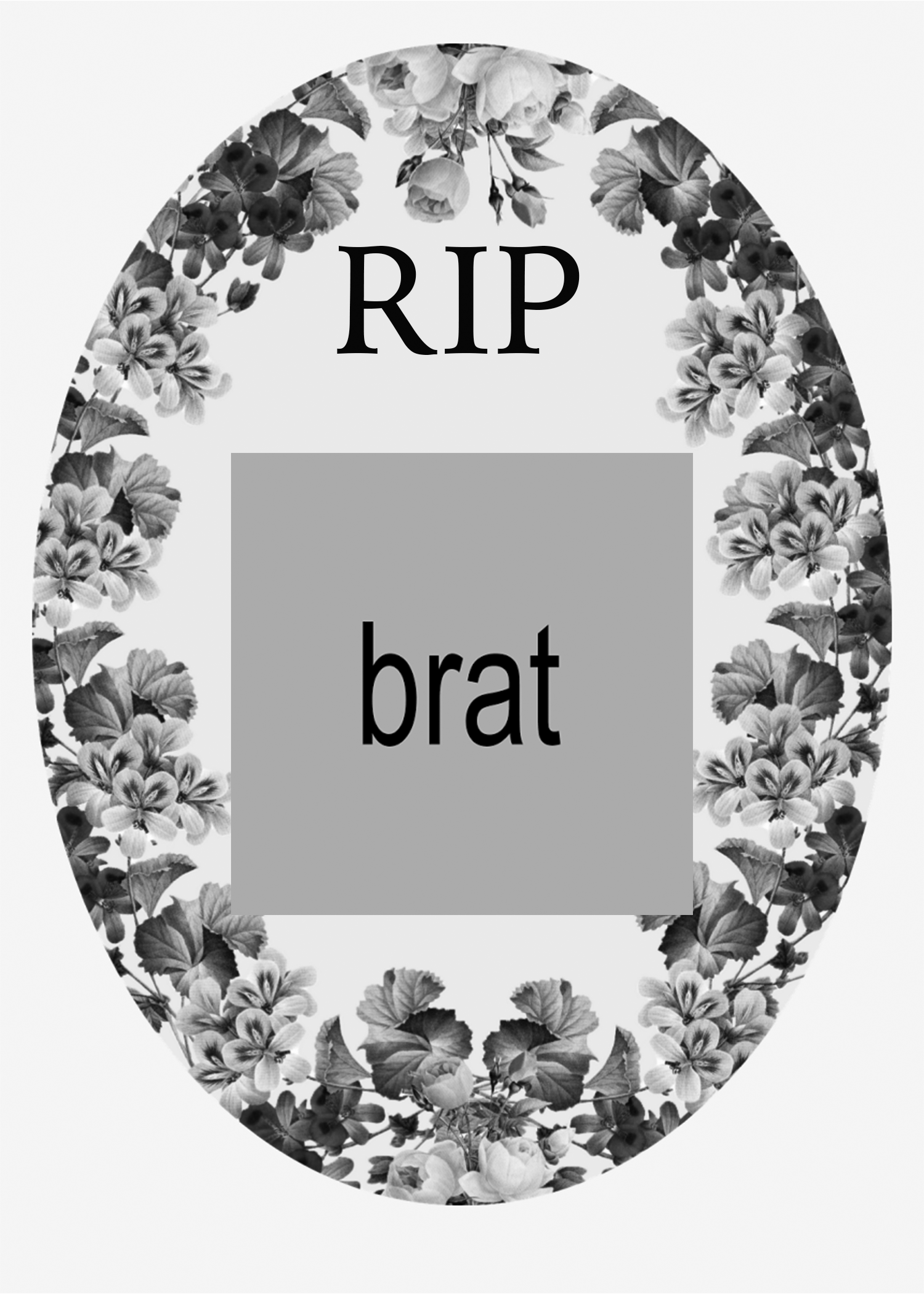
(Digital) Illustration by Emma Shoaf, Layout Assistant
To be clear, I have no interest in time-traveling. If I had to, though, I’d probably head straight to the beginning of 1964. Something is amiss in the modern media landscape, and the best diagnostics start at the root of the issue.
1964 is the first post-JFK year. It is the year of the Civil Rights Act, the Gulf of Tonkin incident, and Rudolph the Red-Nosed Reindeer’s premier on NBC. More pertinently, it is the year the Beatles arrived in the United States, throwing the Billboard Top 100 into chaos. By April 4 of that year, John, Paul. George, and Ringo held claim to twelve spots on the chart, including the entirety of the Top Five; “Can’t Buy Me Love” reigned supreme. Two of the non-Beatles songs out of the remaining 88 were tributes to them.
It’s hard to express exactly the kind of chokehold the band held on the world in 1964. Those who weren’t throwing themselves at their cars and stealing their sheets were still listening to their records; the critics who insisted they loathed the band still kept their name in print. The summer of 1964 saw the Beatles as they experienced their first world tour, the premier of their first film, and their first American tour. It was a monoculture, and it refused to relent, even past the purported end of Beatlemania in 1966. Despite the rapid changes in their demeanors, clothing, and, of course, their music, the Beatles’ grip on the West barely loosened throughout the latter half of the decade.
This—the magic the Beatles created, and the ensuing popular music scene they influenced—is our cultural heritage. Sometime recently, though, we lost it, or at the very least failed to replicate it.
Many cite 2025 as the first year that decisively lacked a “Song/Album/Artist of the Summer”—a trend which continued into 2026. It’s not a matter of there being too many contenders vying for the crown; the arena itself is just…sort of empty. The 2020s are, without a doubt, a cultural landscape heavily marred by the pandemic, but the years before last are still full of songs, albums, and artists with some semblance of staying power: “As It Was,” “Not Like Us,” “What Was I Made For?”; Debí Tirar Más Fotos, The Rise and Fall of a Midwest Princess, BRAT; Sabrina Carpenter, Olivia Rodrigo, Taylor Swift.
Out of this slew, BRAT stands out as a sort of terminal lucidity. It’s not hyper-pop, but certainly hyper-aware, and unabashedly a product of its time— an unrelenting stream of stimuli, touching on the status of female fame, friendship, and filiation in the 2020s. Though it honors the history of the London rave scene, it refuses to resort to nostalgia as its selling point. People loved BRAT because it was original, vivacious, and irreverent…which makes its role in the remarkably stale Harris campaign all the more bizarre. It’s safe to say we all knew Kamala was not, in fact, brat.
It’s as though the sense of shared enthusiasm that surrounded BRAT’s success died with the Democratic loss. Since Trump returned to office, music listening, like much of our daily lives, has become an increasingly individualistic endeavor. How we share our music taste is almost entirely focused on displaying Ourselves and Our Taste with Our Followers rather than viewing music as an experience we share with friends. (Instagram posts and notes in particular come to mind.) As our physical infrastructure degrades under the thumb of conservatism, so does the cultural infrastructure which allowed the Beatles to eke out the footprints later flooded by a number of the greats.
In an article from Time magazine praising the death of the “Song of the Summer,” Taylor Crumpton writes: “Maybe it is the right of every American to dictate what song feels right to them. And maybe sharing your respective summer songs with others is the connection point that America actually needs.” This, though, is the freedom of which David Foster Wallace spoke: “the freedom all to be lords of our tiny, skull-sized kingdoms, alone at the center of all creation.”
The social culture of the 1960s was deeply and terribly flawed, but it was shared. When you see footage of the girls at Shea Stadium screaming for the Beatles, you hear it as a chord in its own right; online adoration of artists, on the other hand, is just as dissonant to me as discourse.
Though it seems all that’s left of BRAT are the neons multiplying in our fashion trends, there’s always the chance that the defining sounds of the summer will return. An incredible amount of fantastic music is being released every year; it’s just a matter of who will popularize it, giving it the chance to pop up in some soul’s Discover Weekly. There is, of course, great value in more musicians being able and willing to share their art with the world, and receiving support in any number of ways as a result, but dependence on a faceless audience isn’t ideal.
I believe there is a happier medium between monoculture and the hyper-polyculture in which we find ourselves: subcultures, in all of their fleshy, messy, complicated glory. It’s obvious that we crave such a thing; the proliferation of aesthetics-based consumption is perhaps the clearest clue. Putting that desire into action, though intimidating, is in reality remarkably easy. As isolating and divisive as social media can be, it’s also excellent for organizing. Even the scrappiest of scenes can save lives through mutual aid and amplified music. Looking around a room and knowing the people there are dedicated to the practice of goodwill—not appearing good, but being good—is unlike anything else I’ve experienced. It is through the continual effort a successful subculture requires that we build this love.
If this really is the end of music as mass media, as news outlets ironically continue to assure us, we don’t have to experience it alone. Together, we can create our own rules, foster our own communities, and maybe even compose our own anthems.